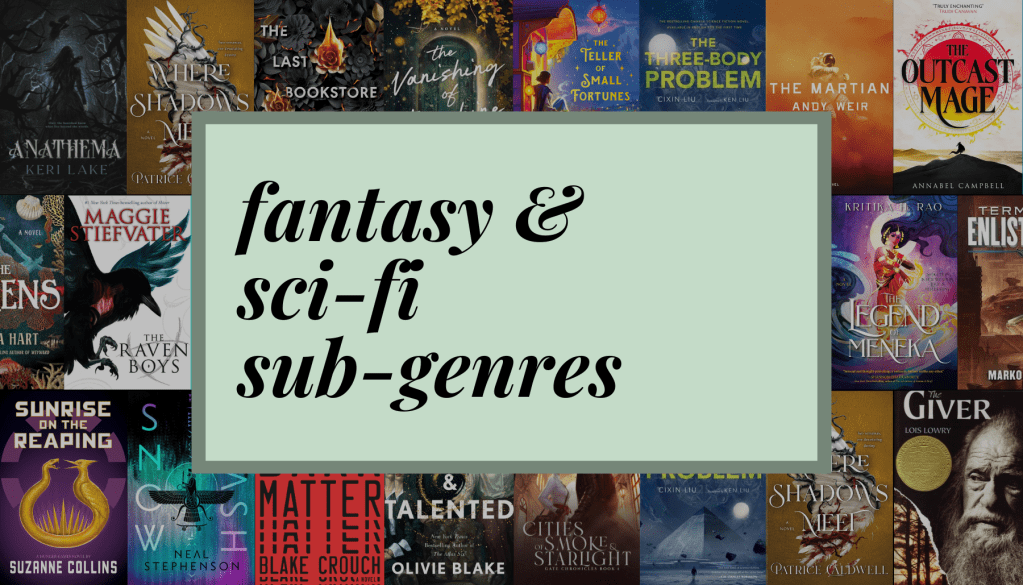
I hear “romantasy” and “cozy fantasy” be mentioned all the time, but what about the other subgenres of fantasy and science fiction? I never hear anything about steampunk fantasy or cyberpunk books much on social media. I wish I did. So, I’m going down a long list of some of my favorite subgenres and giving them a brief explainer, as well as a book in each – just in case you want to give it a shot. This is a long one, so get comfy.
Fantasy Sub-Genres
We’re starting with fantasy because that’s what I’m probably the most well-versed in.
Romantasy
Probably the biggest sub-genre across the board, “romantasy” is a fantasy novel where the romance is more prominent than the plot. Think of it as a romance-driven novel rather than plot- or character-driven. ACOTAR is a popular example.
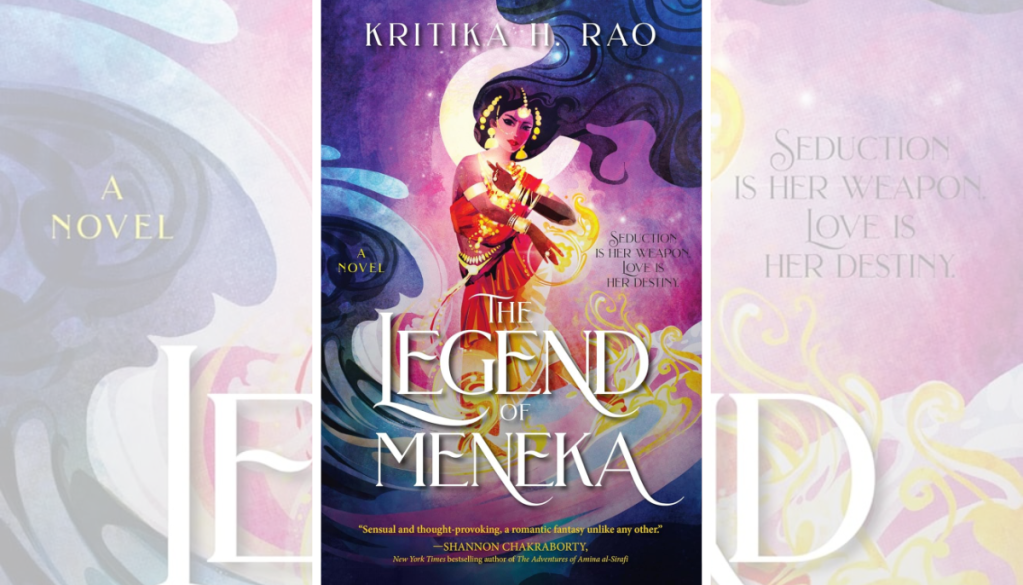
However, if you’re looking for a newer romantasy, you should check out The Legend of Meneka by Kritika H. Rao. It’s the first book in a duology inspired by Hindu mythology. Meneka is a celestial dancer tasked with seducing a human sage. The second book doesn’t have a release date yet, but the first was just released, so it shouldn’t be too long.
Historical Fantasy
The best way I can describe historical fantasy is historical fiction with magical elements. Popular examples are Outlander and My Lady Jane. Authors of these books draw from real historical events, periods, or cultures and blend in fantasy elements like magic.
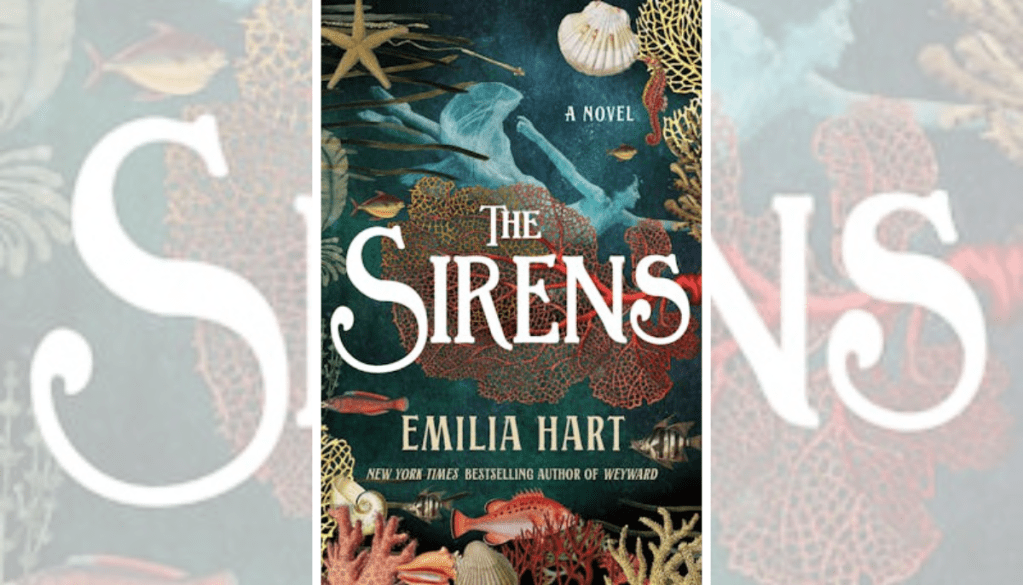
If you’re looking for a historical fantasy to try out the genre, I suggest The Sirens by Emilia Hart. It follows the lives of four women across three timelines – 1800, 1999, and 2019 – all bound by the sea and a sense of sisterhood.
Gaslamp Fantasy
In a very similar vein to historical fantasy, we have gaslamp (sometimes called gaslight) fantasy. Where historical is set in real-world settings, gaslamp is typically set in fantasy worlds. The main difference between this and the major fantasies we’re used to seeing is that they have Victorian-esque technology (like gaslamps) and clothing.
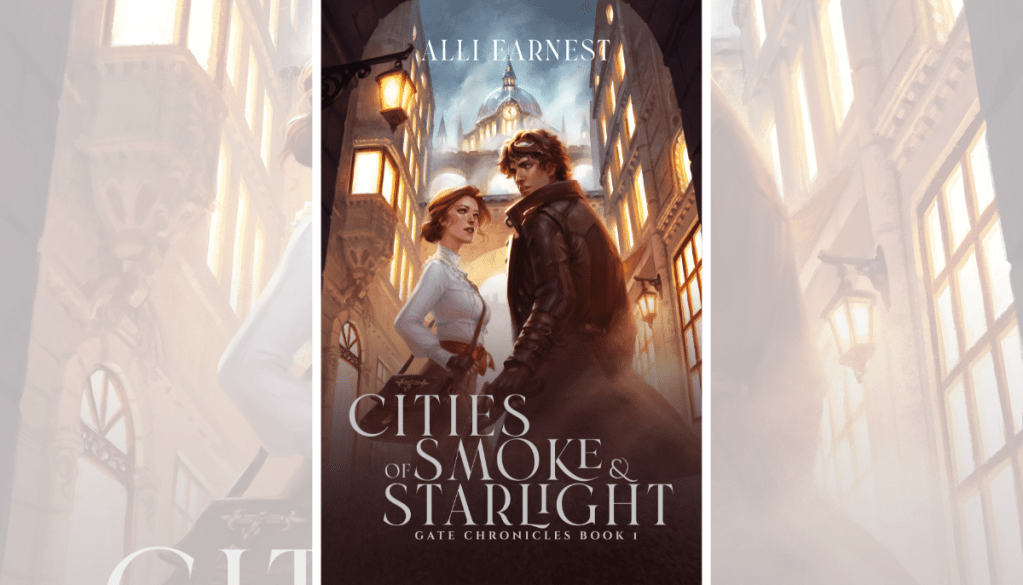
Cities of Smoke and Starlight by Alli Earnest is a great example of this book that I fully suggest you check out. It follows Kase Shackley, a disgraced hover pilot, and Hallie Walker, a scholar with a troubled past, as they embark on a mission to prevent a war.
Low Fantasy

Most people confuse the terms”urban fantasy” and “low fantasy”, so I’ll go over both. First, low fantasy – it’s a fantasy set in our world and typically in present-day. Think Twilight or Born at Midnight. In essence, low fantasy is a broad sub-genre.
If you’re wanting to read more of this type of book, The Raven Boys is a constant recommendation I see everywhere. The novel follows Blue, a girl from a family of psychics, who is told that if she kisses her true love, he will die. She crosses paths with four boys from an elite private school who are on a quest to find a legendary sleeping king.
Urban Fantasy
If low fantasy is a broad sub-genre, urban fantasy is one of the sub-genres under that umbrella. The key difference between something being “low” and “urban” is that urban fantasy is always set in urban areas and cities, like Chicago or New York.
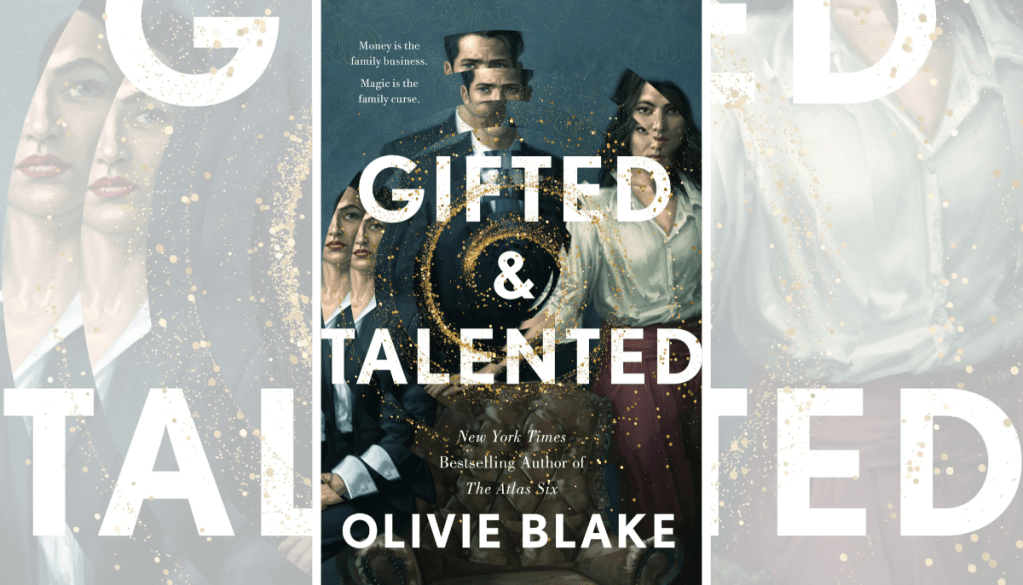
A very recent release within this sub-genre (to be fair, it’s also mixed with science fiction and paranormal) is Gifted & Talented by Olivie Blake. It follows the three Wren siblings who possess telepathic and electrokinetic abilities. After their father dies, they’re thrust into a competition to inherit his company.
Paranormal Fantasy
While we’re in the umbrella of low fantasy, I’m going to cover paranormal fantasy, too. If you read anything YA from the 2010s, you’ve no doubt come across paranormal anything – vampires, werewolves, and fallen angels.
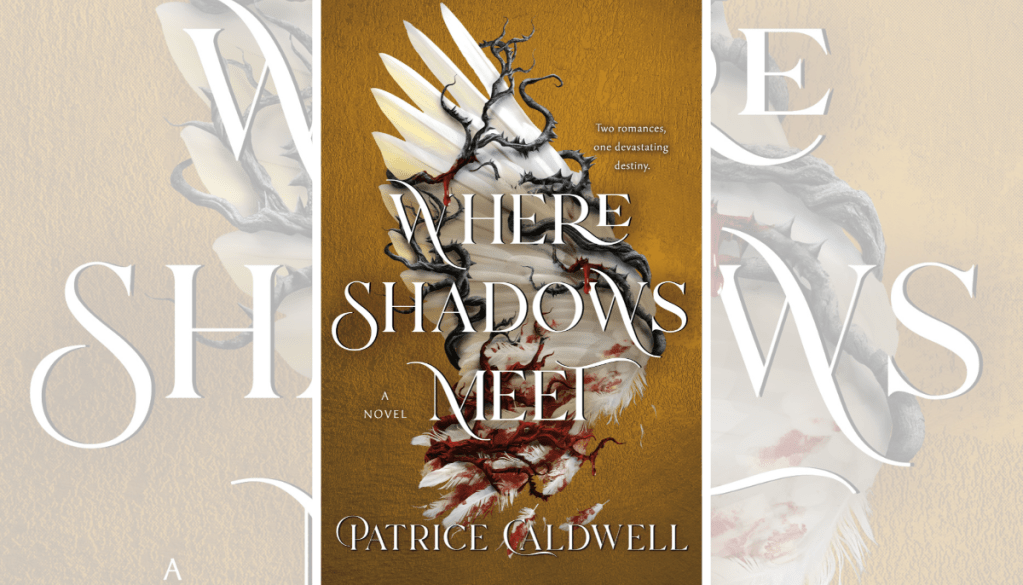
If you’re looking for a new paranormal romance, Where Shadows Meet by Patrice Caldwell just released. It follows two storylines separated by a thousand years. In one, Favre sacrificed her wings for Thana, who sacrificed that love for power. In the other, Leyla, a vampire princess, journeys to the Island of the Dead to rescue her friend. Bonus points: it’s sapphic!
Epic Fantasy

Moving on to another broad sub-genre, epic fantasy is what most think of when they think of fantasy. Think Lord of the Rings or Throne of Glass. This type of story is set in another world, typically featuring magic, fantasy races, and magical creatures. It’s also commonly called “high fantasy.”
A recent release I have seen very few people talk about is The Outcast Mage by Annabel Campbell. It’s an epic fantasy with dragons! The first in this series follows Naila, a student struggling to harness her powers. Just on the edge of exile, she’s taken under the wing of the most powerful mage, Haelius Akana.
Cozy Fantasy
Under the umbrella of “epic fantasy” is cozy fantasy. This type of story is set in high fantasy worlds, but they typically are low stakes and light-hearted. This is a growing genre that many are getting into while the world is chaotic outside.
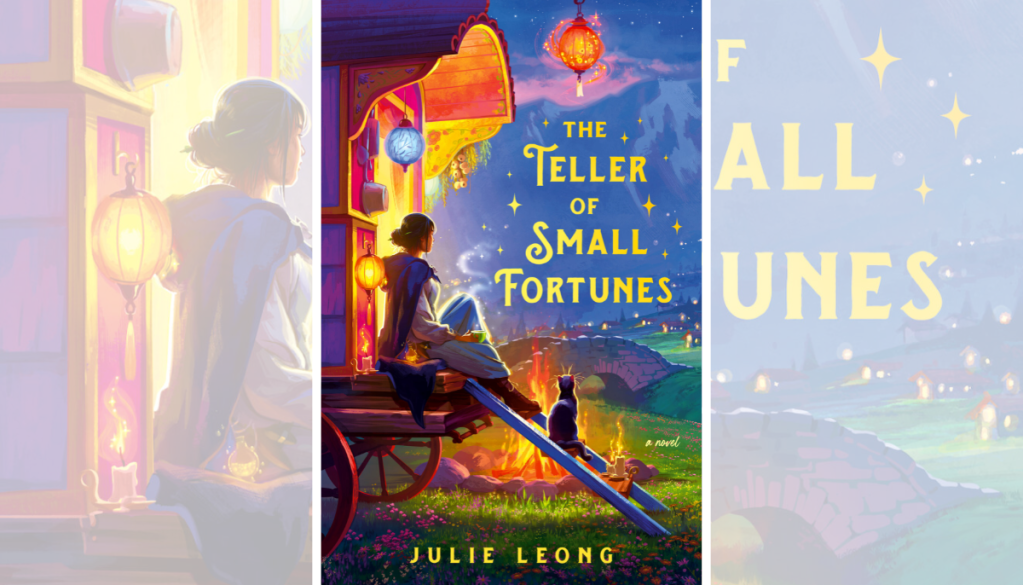
The Teller of Small Fortunes by Julie Leong is a newer cozy fantasy (also Leong’s debut). In it, Tao is a traveling fortune teller that gives out “small” fortunes. One day, one of those fortunes becomes more when an ex-mercenary and a somewhat reformed thief pull her into the search for a lost child. Bonus points: a magical cat!
Dark Fantasy
Lastly for the fantasy genres, we’re doing a complete 180 from cozy fantasy. Where cozy fantasy is low-stakes, dark fantasy is morally ambiguous and typically contains horror and violence. Most of the time, it doesn’t have the “happily ever after” we’re used to in fantasy.
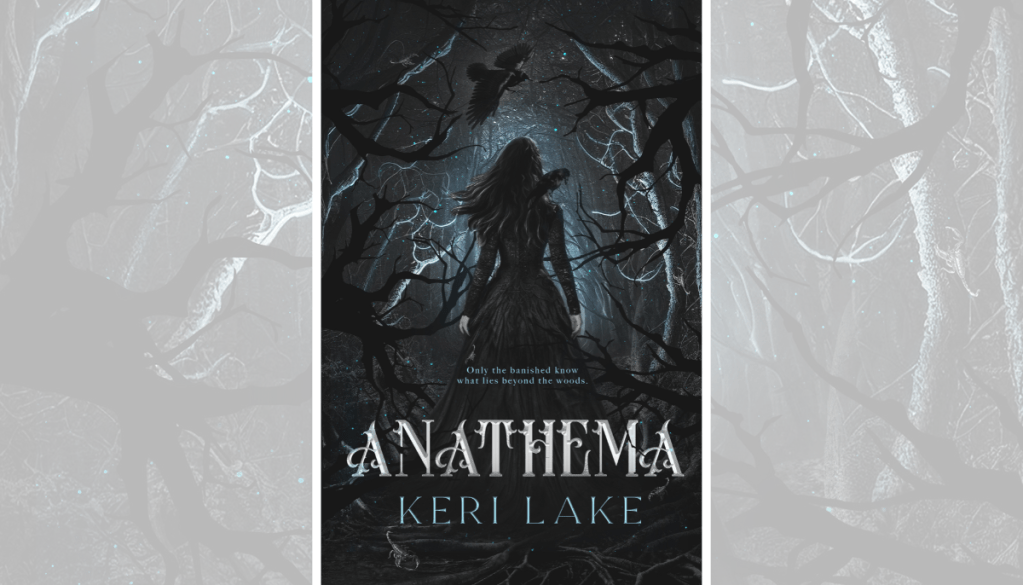
A recent release I’ve seen people recommend is Anathema by Keri Lake. The first in a duology, the story follows Maevyth Bronwick, a woman ostracized from her village, as she enters The Eating Woods.
Science Fiction
Moving on quickly to science fiction, I have ten sub-genres for you to explore.
Dystopian
When I think of the 2010s and the popular science-fiction YA novels, dystopian was dominating. This specific sub-genre focuses on a setting where everything is unpleasant and oppressing. It commonly written as commentary on social and political issues.
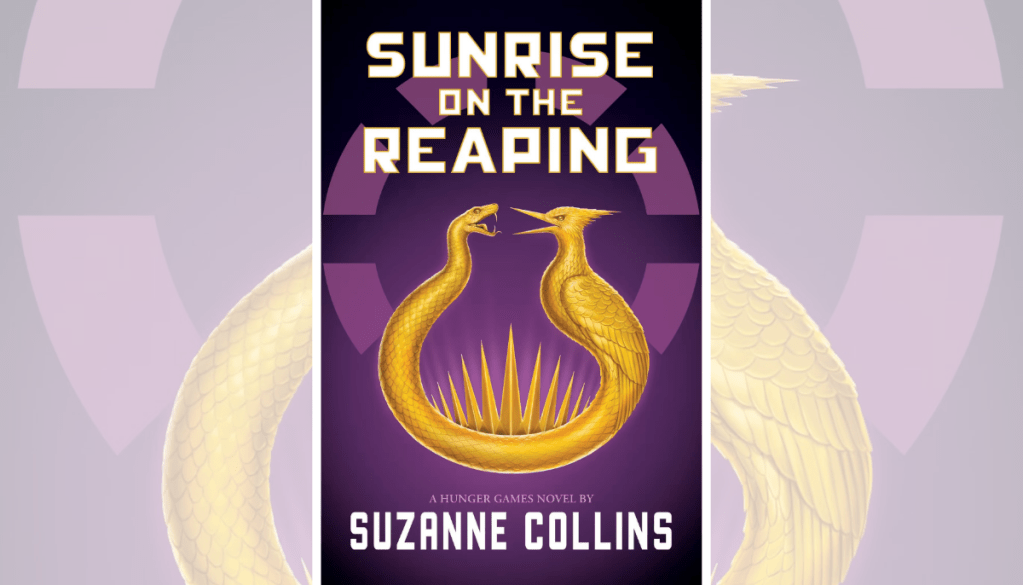
To nobody’s shock, my recommendation if you’re looking to explore dystopian works if Sunrise on the Reaping by Suzanne Collins. It’s a prequel to The Hunger Games following Haymitch’s Quarter Quell. I won’t say anything else about this because I don’t want to accidentally spoil it.
Hard Science

Similarly to science as a discipline, the fiction genres also have “hard” and “soft” sci-fi. “Hard science” focuses on scientific accuracy and plausibility in their writing. Typically, you’ll see topics of advanced technology, engineering, and physics. Hard sci-fi tends to be the more “realistic” type of story.
If you’re looking for a hard science novel, The Martian by Andy Weir is a classic recommendation. In it, astronaut Mark finds himself stranded after a dust storm forces his crew to abandon him, thinking him dead. Mark has to figure out how to survive while he waits for rescue.
Soft Science
On the other side of the spectrum, “soft” sci-fi focuses on character’s relationships, psychology, and philosophical dilemmas. It follows in line with the “soft” sciences disciplines. It also doesn’t focus on scientific accuracy, though there might be a bit of it because it is sci-fi.
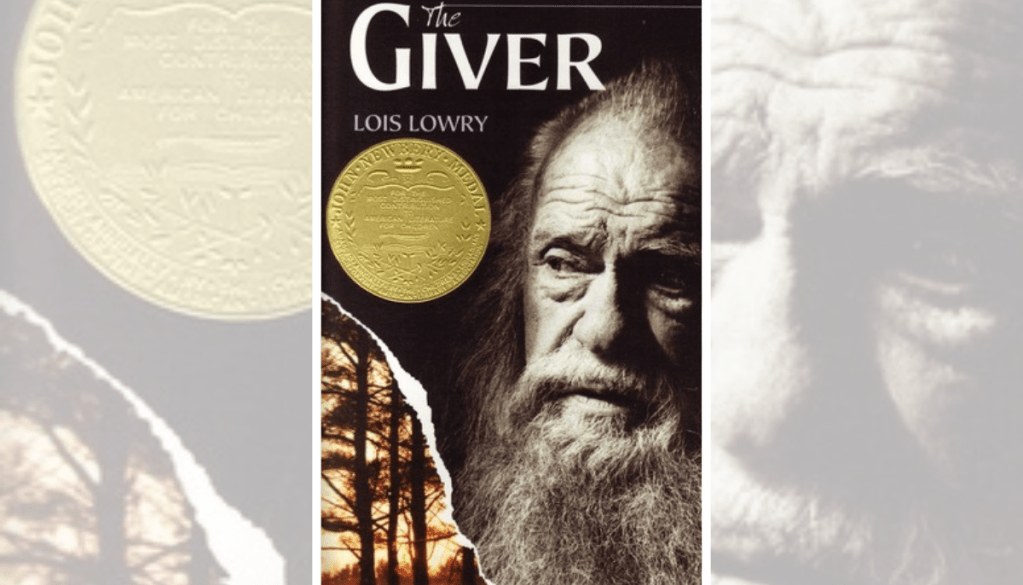
Looking for this sub-genre? One of my favorites is The Giver by Lois Lowry. It’s also a dystopian novel, so it’s a two-for-one! Anyway, The Giver follows twelve-year-old Jonas as he’s chosen to become the next Giver. As he receives his training, which involves receiving memories of the past, he starts to realize his utopian world isn’t as perfect as it seems. (I’ve read it five times, and it never gets old.)
Time Travel
Probably one of the easier sub-genres to explain, “time travel” fiction focuses on time travel. I don’t know if I should elaborate, so I won’t. That said, it constantly intersects with fantasy and historical fiction.
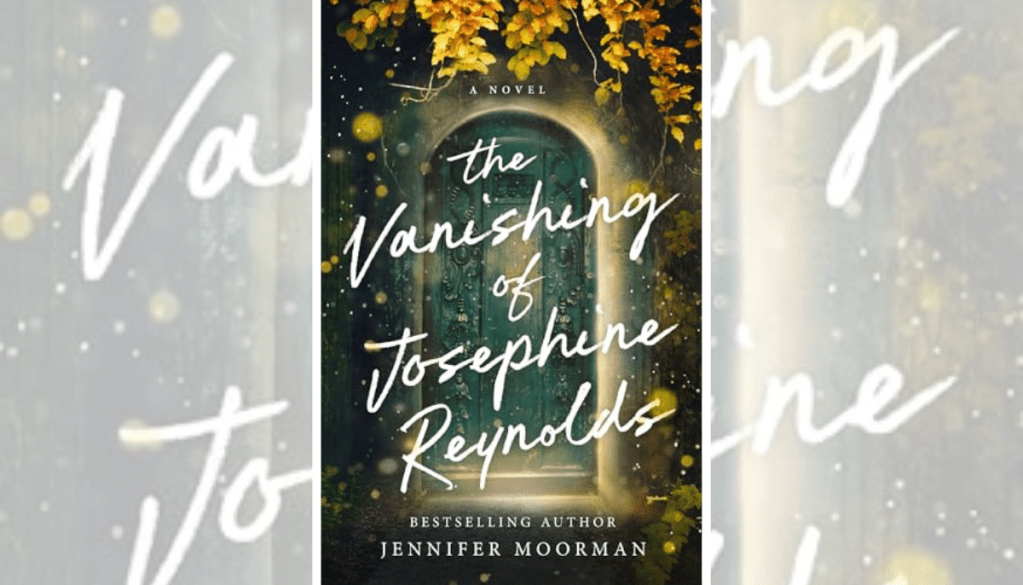
The Vanishing of Josephine Reynolds by Jennifer Moorman is a newer time travel novel that I’ve seen several people recommend. In it, Josephine, a 35-year-old widow, accidentally travels back in time to 1927.
Alien Invasion
Much like the “time travel” sub-genre, the “alien invasion” sub-genre is also straightforward. It focuses on alien invasions – whether it be the beginning, midst, or aftermath. I’m going to be honest, this is one of my least favorite sci-fi sub-genres.
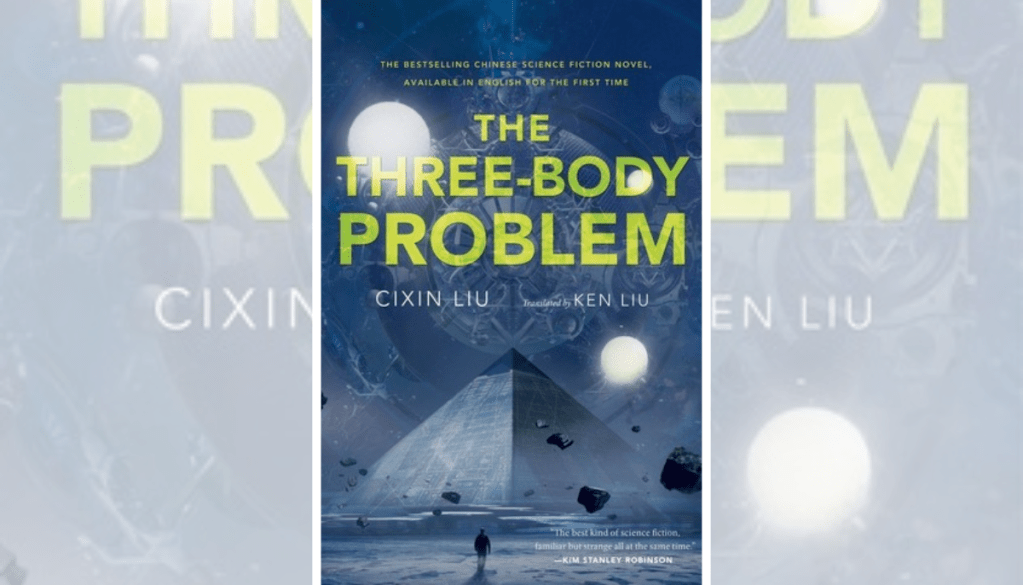
One of the most popular alien invasion stories is The Three-Body Problem by Lie Cixin (translated to English by Ken Liu). The novel follows a secret military project sending signals to space to communicate with aliens, inadvertently setting Earth up to be invaded by an ancient alien civilization.
Apocalyptic and Post-Apocalyptic
Zombies, disease, global warming – all causes that are constantly related to apocalypses. No matter what causes it, there’s always a story to tell. “Apocalyptic” takes place during the apocalypse, while “post” takes place in the aftermath and rebuilding.
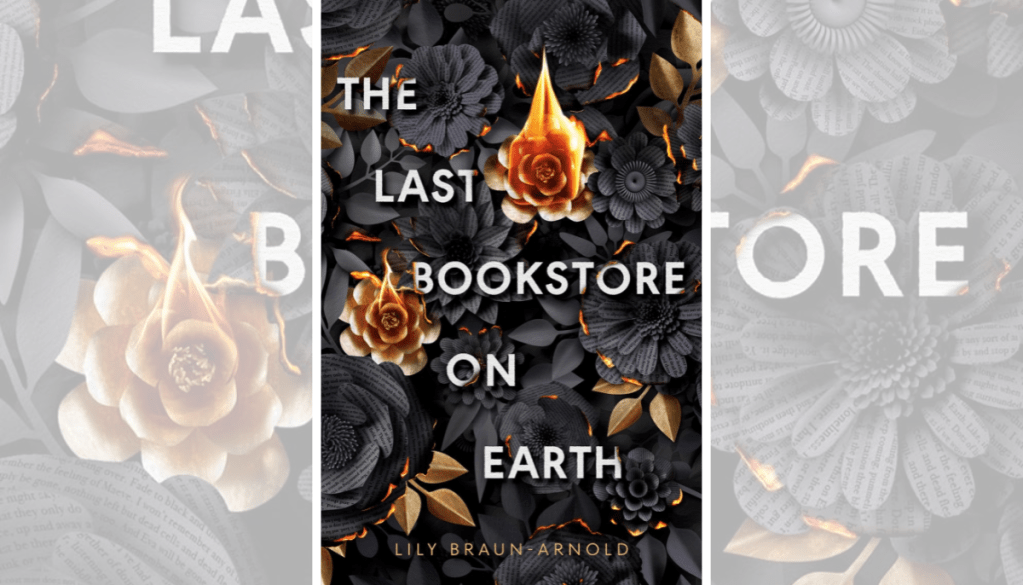
The Last Bookstore on Earth by Lily Braun-Arnold is a YA novel following Liz and Maeve as they fight to survive as another Storm is set to destroy the world completely. Together, they work together to survive within an abandoned bookstore in New Jersey.
Space Opera

When people think of science-fiction, this might be the first type of story they think of. Within literature, it’s characterized by large-scale, melodramatic adventures somewhere in space. It constantly focuses on war or piracy – think Star Wars and Dune.
A constant recommendation I have is Red Rising by Pierce Brown – seriously, go read it, please! The first trilogy in the series follows Darrow as he’s transformed into a Gold to spark change from inside the elite. This sparks a civil war across space.
Military Sci-Fi
Military science fiction merges sci-fi and military fiction seamlessly. These stories tend to feature advanced technology, combat, warfare, and political power struggles. Within all of those themes, it’s typical to see military structure and hierarchy between characters.
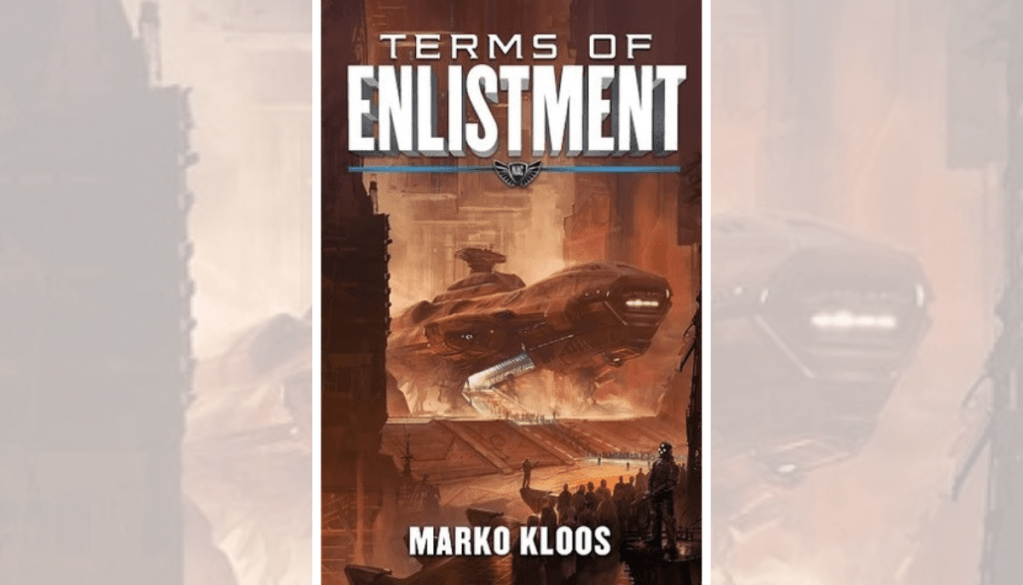
Terms of Enlistment by Marko Kloos is a 2013 novel that showcases this sub-genre well. Set in 2108, the novel follows Andrew Grayson, a resident in the North American Commonwealth, as he enlists for a chance at real food, money, and a way off Earth.
Parallel Worlds
Science-fiction that focuses on parallel worlds is pretty straightforward in what it is. The main concept is that there is one or more worlds parallel to our world that can be accessed through various phenomena. Typically, some worlds are shaped by the question, “What if…?”
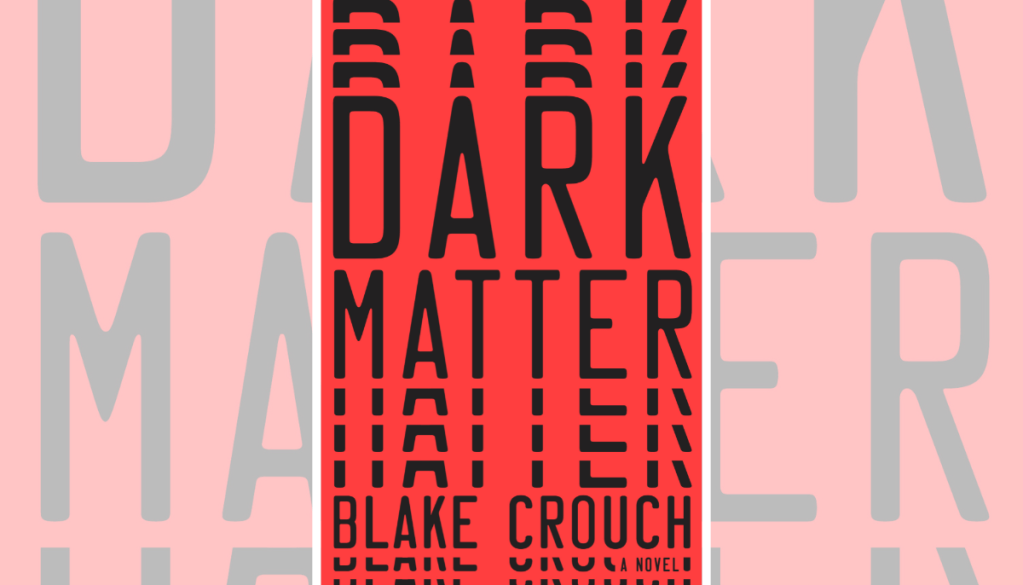
Dark Matter by Blake Crouch is one of – if not, the most – popular parallel world works. In it, a man is thrown into an alternate version of his life and must fight to get back to his home reality.
Cyberpunk
If you don’t know the genre, you might recognize the aesthetic or game. Anyway, the literature sub-genre of cyberpunk commonly features dystopian worlds with intersections of societal decay and advanced technology.
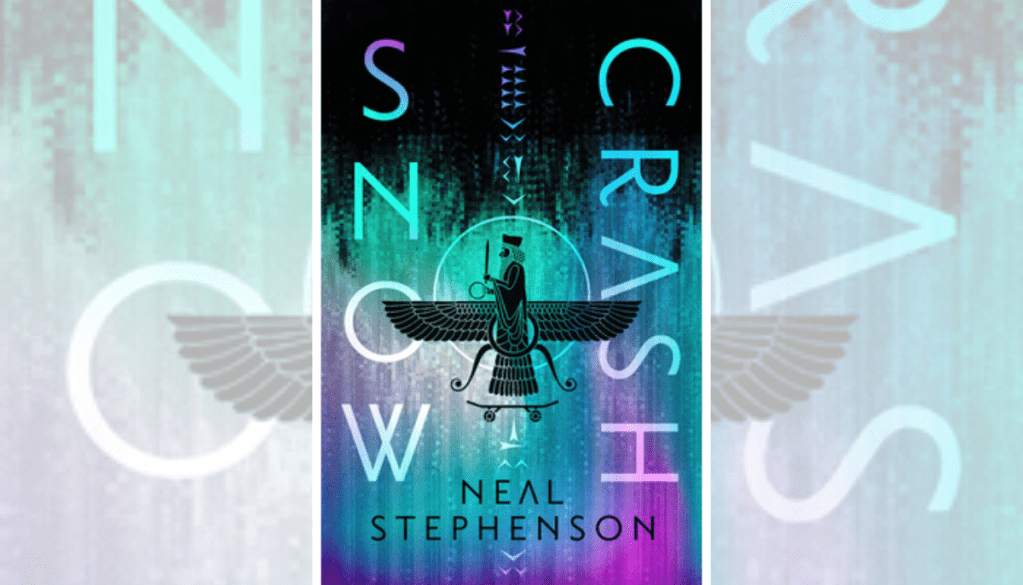
One of the most popular cyberpunk works is Snow Crash by Neal Stephenson. It follows Hiro Protagonist, a hacker and pizza delivery driver, as he investigates a new virtual drug called Snow Crash. In it, he uncovers a conspiracy that spans the virtual and real worlds.
Which sub-genre are you going to check out first? Or have you already tried these? If that’s so, what do you recommend?


 Kait Mae
Leave a comment